
Jasmine, or “yasmeen” in Arabic, is more than just a flower in Damascus – it’s woven into the fabric of daily life. These delicate white blossoms cascade from courtyard walls, spill over balconies, and bloom in the gardens of traditional Damascene homes. During summer evenings, the intoxicating fragrance drifts through the narrow alleyways of the Old City, creating an almost magical atmosphere.
The tradition runs deep: street vendors thread jasmine into small bouquets, men tuck sprigs behind their ears, and families plant jasmine vines as symbols of hospitality and beauty. The flower has become so synonymous with the city that Damascenes often refer to their home simply as “Yasmine al-Sham” – Jasmine of the Levant.
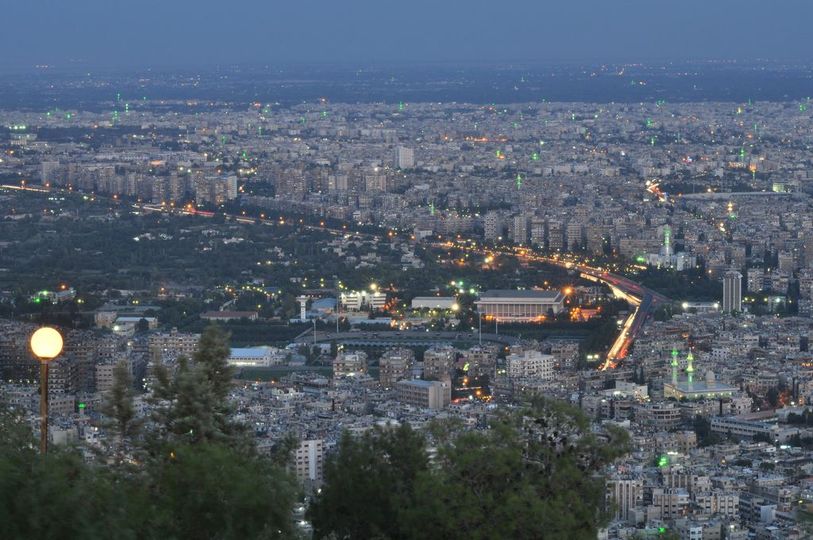
Throughout Damascus, green illuminates the cityscape – from the distinctive green lights that glow at night to the verdant courtyards hidden behind ancient walls. This preference for green carries profound meaning in Syrian culture. Green represents life, renewal, and paradise in Islamic tradition, making it a natural choice for a city that has survived millennia.
The green lights that dot Damascus serve both practical and symbolic purposes. They mark important buildings, guide evening prayers, and create a unique nocturnal identity for the city. This emerald glow has become so characteristic that visitors often remark on Damascus’s distinctive green-tinted nights.
The Jasmine’s pure white petals represent the city’s enduring beauty and resilience, while the rich green backdrop reflects its spiritual depth and connection to life itself. Together, they create a visual poem – a reminder that even in the darkest times, beauty blooms and life persists.
 Jodutt Basrawi's Website