-
The digital divide can be avoided

The digital divide: a phenomenon in which inequalities within socioeconomic regards grow due to the rising prominence of information systems. Computers can divide the world, yet there are concrete mechanisms to alleviate the inequality problem. Better yet, it is easier to solve the digital divide problem than it is to solve inequality in terms of…
-
The hit/miss entertainment economy does not exist

Remember those times when record label companies, artists, and business executives made decisions based on what was mainstream in society? Me neither. Today, thanks to the capabilities of Amazon, Netflix, and iTunes, mainstream media is not the most sought after media by the world’s market. Some facts and figures portray this phenomenon. More than half…
-
Social media’s inability to bring representative government to the Arab World
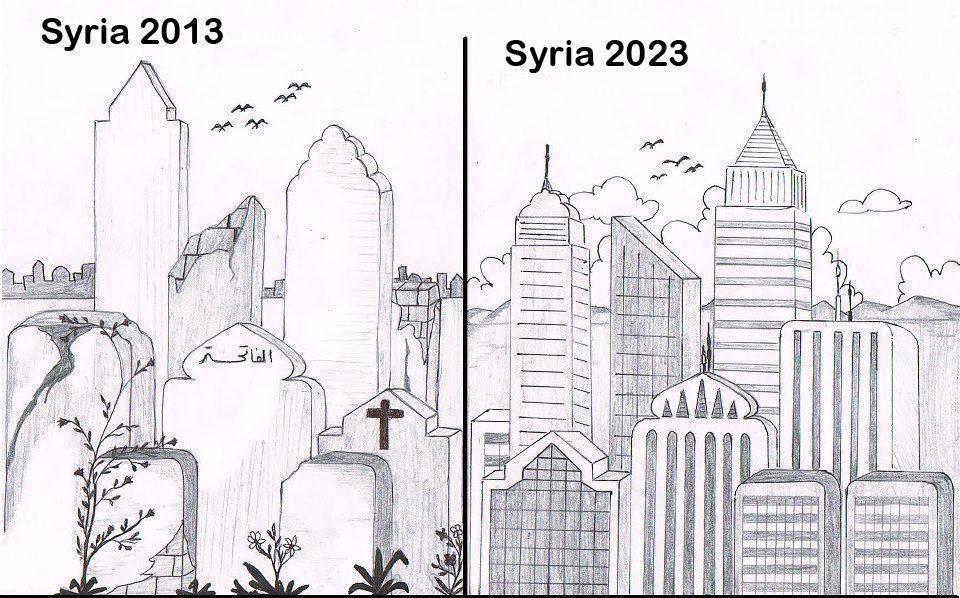
Modern information technology made it possible for most of the world to witness events within the Arab Spring. Social media allowed activists to organize instantaneously within protests in Arab cities. The internet became a public forum to discuss economics and alternatives in the Arab World. Overall, it seemed like information technology worked to…
-
The speed of Information
The speed of information is faster than the speed of sound. It is impressive towards many, yet alarming for some. Paul Virilio, a French cultural theorist and urbanist, expresses in his writings the costs of faster information speeds. Because of our ability to perform daily activities with individuals across the world (via e-mail, texts, social…
-
The Digital Detox
On Friday, January 11, 2014, I performed a 24 hour digital detox. I refused to use anything digital, including video games, music players, and my cell-phone’s alarm clock. During the detox, I was at a retreat with the Brotherhood of Distinguished Arabs, the first upcoming Arab fraternity in the United States (as of January 11,…
-
Subscribe
Subscribed
Already have a WordPress.com account? Log in now.
 Jodutt Basrawi's Website